Integrated health and social care hubs to address adversities in Australian families
21/05/2025
This piece was originally published in the May 2025 issue of The Health Advocate.
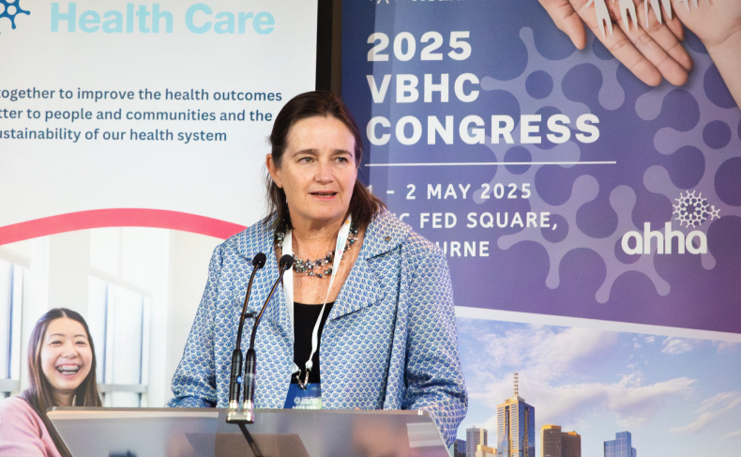
The Centre of Research Excellence (CRE) in Childhood Adversity and Mental Health was awarded the 2025 VBHC Transformation Award in recognition of its exceptional work implementing Child and Family Hubs.
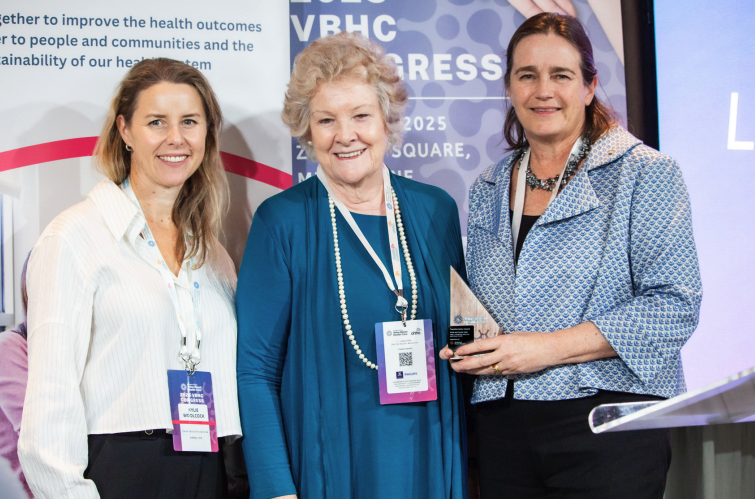
Led by the Murdoch Children’s Research Institute (MCRI), the CRE brings together families with lived experience, practitioners, researchers, and policymakers across the health, social care, and legal sectors. Its mission is to prevent the lifelong mental health impacts of adversity in early childhood.
Family Adversity in Australia
Adverse childhood experiences or family adversities are common and significantly increase the risk of poor mental and physical health in children and adults. They include child emotional and physical abuse and neglect, harsh parenting, conflict between parents, bullying and broader issues like food and housing insecurity and poverty. Most interventions target single adversities but adversities often occur in clusters, with 1 in 5 Australian children experiencing three or more adversities, and more than half experiencing at least two adversities by age 11 years.
Child and Family Hubs: A Holistic Approach
In 2019, we embarked on a project to improve outcomes for Australian children living with adversities. Through our Centre of Research Excellence in Childhood Adversity and Mental Health (www.childhoodadversity.org.au), funded by the National Health and Medical Research Council and Beyond Blue, we aimed to assess the impact of an integrated health and social care ‘one-stop shop’—a Child and Family Hub. Hubs were designed with families and local service providers to address adversities identified by caregivers and respond either through supports and services offered in the Hubs or warm referrals to supports outside the Hubs.
Learning how to ‘build’ a Hub
We began by examining evidence for effective strategies to mitigate the effects of adversity on child mental health. Using this evidence, we codesigned two Child and Family Hubs in Victoria and New South Wales with input from families and service providers. Hubs were in existing community health centres because families told us that these were non-stigmatising and they were happy to go there. Key components of these Hubs included:
- Family-friendly Hub entries
- Partnerships with families
- Workforce training on addressing adversities
- Mapped referral pathways to services
- Regular activities to enhance practitioner capabilities
- Parenting support
- Co-location of Hub practitioners where possible
Whilst the centres already had health practitioners working in them (e.g. general practitioners, paediatricians, nurses), we added new roles to create the Hubs. These included financial counsellors, lawyers and wellbeing coordinators to address social issues. We were learning about what services to bring together and how practitioners could work together to identify and address adversities.
Testing and Results
Over a 12-month period, we tested the Hubs with a community sample of 234 families who reported high levels of adversities both inside (e.g., family violence, substance abuse) and outside (e.g., financial difficulties) the home. The results were promising:
- The proportion of caregivers reporting no adversities increased from 11% to 20%.
- Families reported more referrals for support with challenges inside and outside the home.
- Consistent Hub attendance led to increased support from practitioners.
- The proportion of children with mental health problems decreased.
- Warm parenting practices increased.
A National Child and Family Hubs Network
The success of these Hubs informed the creation of a National Child and Family Hubs Network (www.childandfamilyhubs.org.au/). This network aims to accelerate learning, coordinate approaches, and build the capacity of over 470 Australian Hubs across various sectors, including early childhood, primary schools, primary care, Aboriginal
Community Controlled Organisations, and virtual platforms.
The Network, comprising over 1200 member organisations and individuals, is dedicated to building evidence for Hubs, providing strategic investment advice, conducting national communities of practice, tracking progress, adapting successful strategies, and expanding a virtual e-Hub to support rural and regional areas.
Conclusion
Integrated health and social care Hubs are proving to be effective in detecting and supporting Australian families experiencing adversities. The National Child and Family Hubs Network is successfully scaling these models through funding, advocacy, and collaboration, paving the way for a brighter future for children and families across Australia.