
Children’s Wellbeing Continuum video series
29/05/2026
Knowing how to support a child's wellbeing isn't easy. We've launched a new video series to help adults notice, understand, and talk about how a child is really going.
When something feels different with a child, it can be hard to know what to make of it, and even harder to find the words. That's something we set out to change.
The Children's Wellbeing Continuum, developed by the Centre for Community Child Health, reframes how we think about children's mental health – not as something a child either has or doesn't, but as something every child experiences, and moves and changes with everyday life. The Continuum is a strengths-based tool that gives parents, caregivers, teachers, and health professionals a shared language to notice changes and make sense of what they're seeing.
Dr Simone Darling, lead researcher for the Children's Wellbeing Continuum, observes, “When we give adults a simple, shared way to understand children’s wellbeing, we make it easier to notice small changes early – and that’s where meaningful support can begin.”
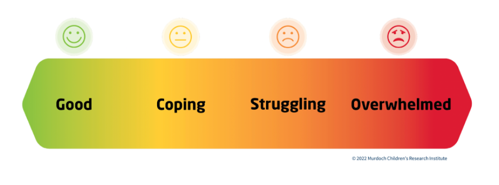
Figure 1: The Children's Wellbeing Continuum
We’re now launching a new short-form video series, produced by Matterworks, bringing Children’s Wellbeing Continuum to life in a way that feels practical and real. The series tackles the questions adults often have, such as ‘What is children’s mental health? How do I talk about it?, and When do I need to get help?’
Good and reliable information about children's mental health and wellbeing shouldn't be hard to find or hard to understand. This series was developed to fill a gap in accessible, practical resources for families – bringing the ideas behind the Continuum to life in a format that's easy to watch, share, and act on.
Watch the first video in the series below.
The rest of the videos are available here
We want to hear from you!
If you are a parent or caregiver in Australia of a child aged 2-12, we'd love your feedback. Watch the videos and share your thoughts in a short, anonymous survey. It takes just 10–15 minutes and will directly shape how we communicate about children's mental health with families. You can find out more and participate in this research study here.
