
Listening to children to shape landcare and climate learning in early childhood
14/08/2026
This case study originally appeared in the 800,000 Days of Learning at Stake: Building climate-resilient early childhood education across Australia report.
From early childhood, children are already engaging with complex environmental ideas and expressing a desire to care for the natural world.
Drawing on the Voice of the Child (VoC) toolkit, this case study piloted creative, child-centred methods at a metropolitan early childhood education and care (ECEC) service in Victoria. The aim was to understand how children aged 3-5 years conceptualise nature, care and their role in the environment.
Methods included Polygot Theatre's signature creative activities - Voice Lab, collaborative 'Paper & Tape' world-building, and shared 'Big Draw' drawing.
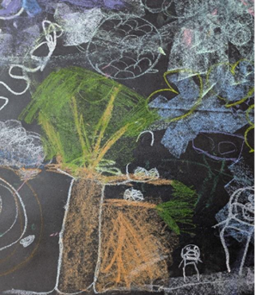
Across activities, findings showed that children:
- Expressed a strong affinity for being outdoors;
- Demonstrated emerging ecological understanding;
- Reflected an early awareness of the interdependence between people and nature;
- Expressed empathy and concern for living things, alongside a developing sense of responsibility;
- But were uncertain about how to enact caring for animals and plants in practice.
Beyond verbal language, through imaginative play and drawing, children were able to communicate knowledge of the natural world.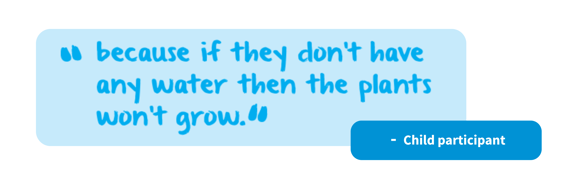
What does this mean for the future?
By intentionally listening to children and responding to their insights, ECEC services can strengthen children's environmental responsibility and capacity to contribute to a climate-resilient future. If early childhood systems are to meaningfully respond to climate change, they must move beyond environmental education to embedding children's insights into everyday practice and policy.
Learn more about the Voice of the Child project
This case study originally appeared in the 800,000 Days of Learning at Stake: Building climate-resilient early childhood education across Australia report.
