
Translating children's insights into action
12/10/2026
Children are experts in their own lives. When we create meaningful opportunities for involvement, children can offer insights that help shape better services, environments and experiences that support children to thrive.
The Voice of the Child Toolkit is currently being tested and refined across five early childhood education settings throughout Australia. This work has been made possible through the support of Minderoo Foundation.
In a regional Victorian early childhood service, researchers, educators and artists from the Centre and Polyglot Theatre worked alongside children to better understand what matters most to them and how their perspectives could inform decision making.
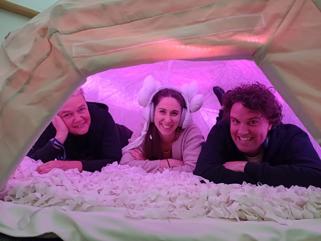
Using Polyglot Theatre’s creative, play-based methods – including Voice Lab, Big Draw, and Paper and Tape – 44 children aged 3-5 years shared their experiences, ideas and priorities. These approaches were intentionally designed to create multiple pathways for children’s meaningful involvement by recognising that children communicate in different ways.
Three key themes emerged from children’s responses:
-
the importance of outdoor and imaginative play
-
separation from family can be challenging
-
how they stand up for themselves and value friendships and social connection at kindergarten.
From themes to action
The project did not stop at listening. Children's perspectives were translated into action through educator reflection, service improvement and broader planning. Insights informed future playspace design, and educators explored new approaches to supporting children during separation from families. Staff strengthened their focus on children’s self-advocacy, communication and opportunities for children to contribute their views.
The project also reinforced an important lesson: meaningful child involvement requires more than asking children what they think. It involves creating safe, engaging and responsive ways for children to express themselves. It means recognising both verbal and non-verbal communication and ensuring children’s contributions influence decisions.
Listening to children's voices can strengthen practice, improve services and help create environments where children feel seen, heard and valued. Watch the video below to hear more about the project's impact.
