
What thriving means for children who are deaf or hard of hearing
By Valerie Sung & Jermy Pang
Thriving is more than achieving developmental milestones. For children with additional developmental or health needs, such as children who are deaf or hard of hearing, it means feeling confident, connected and supported. A/Prof Valerie Sung is a paediatrician and Jermy Pang is a parent with lived experience and co-chair of the AusChildDeafness Community Advisory Group.
Early and consistent access to language is critical for connection. For some families, that will be spoken language, for others, Auslan (Australian Sign Language), and for many, both. Families need balanced information on available options and the freedom to change course as their child grows up.
Thriving also requires tailored learning and family-centred services that respect each child’s identity and their family’s wishes. When services value lived experience, the work they do becomes more relevant and effective.
A Thriving Kids roll-out of targeted supports must centre child and family perspectives at every step. Co design and consultation workshops, interviews and lived experience advisory panels can reveal assumptions or barriers that professionals may overlook. When those insights shape service design, services are more likely to be used, to work, and to last.
Co-designing priorities
The Australian National Child Hearing Health Outcomes Registry (ANCHOR) Program has been working with children, young people, families, communities and professionals to understand what matters most to children and young people who are deaf or hard of hearing.
Co-led by parents and carers with lived experience, ANCHOR identified priorities that reflect the goals that matter to children who deaf or hard of hearing: self-confidence, family-centred care, a device that works as it should, social participation, effective communication skills, good mental health, and educational progress (Figure 1).
These priorities guide the design of supports around what matters most so they can help children and young people who are deaf or hard of hearing to flourish.
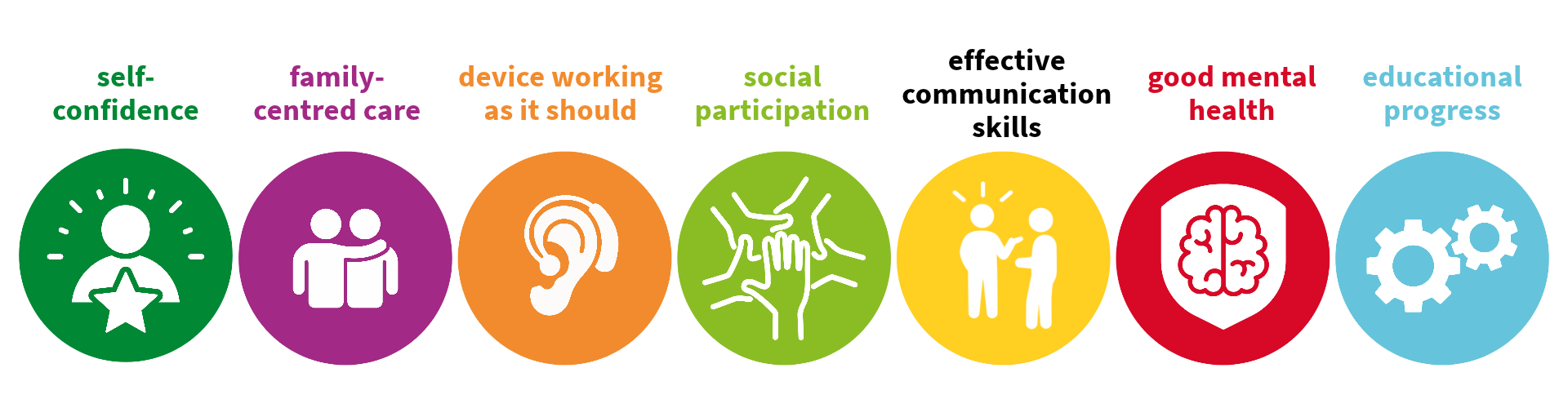
Figure 1. ANCHOR priorities identified by parents and carers with children who are deaf or hard of hearing
Resourcing
Genuine co-design must be resourced appropriately. Families who share lived experience to improve services should be paid for their time and supported through the (often invisible) emotional labour. Left out, families pay anyway when they absorb the gaps in services never designed with them.
Practical implications include setting measurable goals that families value, training staff in family centred approaches, and creating feedback loops so services continually improve. Measuring outcomes that matter to children and carers allows policymakers to fund what works and adapt what does not.
Thriving isn’t just about ‘getting by’
When lived experience leads, supports become human-centred and outcomes improve. The ANCHOR Program demonstrates that partnering with children, young people, families and communities is not optional - it is essential.
Investing in listening and co design is investing in children to not just ‘get by’ but see them truly thrive.
Policymakers, clinicians and education leaders must prioritise funding, training and evaluation that reflect these co produced outcomes, so children experience consistent, equitable support across settings.
Thriving is not something deaf and hard of hearing children should have to earn, it is what happens when the systems around them listen.